Real-time visibility into how every control in your security stack is performing. Auto-diagnosis. Configuration recommendations. No infrastructure changes.
You made the right calls. You ran the POCs. You deployed each product correctly. But as the stack grew toward 100 controls, something changed.
Too many alerts. Too many false positives. Your analysts are chasing noise instead of working real investigations. And nobody has time to fix the underlying problem.
Every new threat vector spawned a new product category. A 100-control stack is now normal, not exceptional.
No product gives SOC teams real-time insight into how each control is actually performing. The stack is a black box between audits.
AI SOC agents automate alert triage. They do not fix the controls generating the alerts. You cannot automate your way out of a tuning problem.
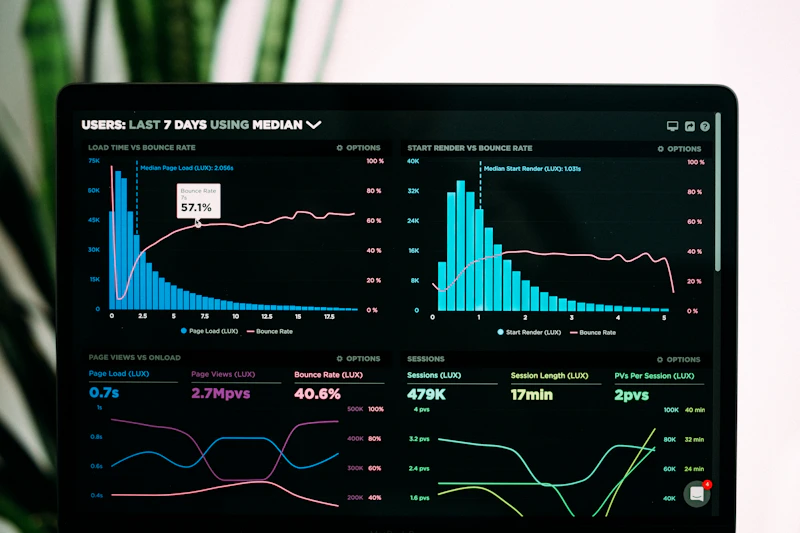
No agents. No infrastructure changes. No professional services engagement. Pitwall monitors what you already have and tells you exactly what to fix.
Logs every alert from every control, from generation to ultimate resolution.
Identifies controls operating outside accepted standards within the first week.
Generates human-readable output explaining what is wrong and what configuration change will fix it.
SOC manager chooses manual fix or enables Pitwall to apply the recommendation automatically.
Learns the environment over time. Recommendations get sharper. The stack improves without audit cycles.
"We had been living with the noise for two years. We assumed it was just the cost of running a mature stack. Pitwall showed us four controls that were responsible for 60 percent of our false positive volume. We fixed them in a week."
Named for the pre-season testing period that tells an F1 team exactly how their car is running before the first race. Same idea. No obligation.
No procurement process. No professional services engagement. No commitment.
Start the Shakedown — pitwalldemo.netlify.app/shakedownPitwall was not built by people who studied the SOC alert problem. It was built by people who spent a decade inside it.
Former SOC analyst turned security architect. Over a decade building security stacks in financial services and healthcare. Built Pitwall because he could not find a solution when he needed one.
Former CISO turned founder. Spent his career on the business side of security investment decisions. Built Pitwall to give CISOs the performance data they need to justify the stack in front of a board.
They did not build Pitwall because they studied the problem. They built it because they lived it.